
 简体中文
简体中文


폴리에스테르(PET), 나일론(PA), 폴리프로필렌(PP), 폴리락트산(PLA) 및 기타 제품을 위한 FDY, POY, HOY 및 산업용 원사 방적 기계의 ...

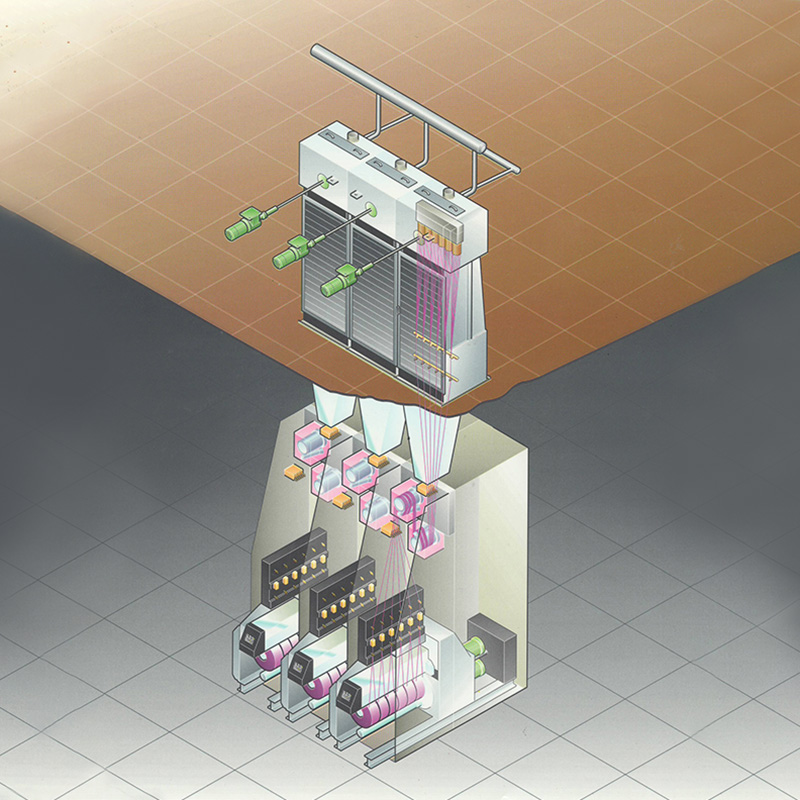
폴리에스터(PET), 나일론(PA), 폴리프로필렌(PP), 폴리락트산(PLA) 및 기타 제품을 위한 FDY, POY, HOY 및 산업용 원사 방적 기계의 연...
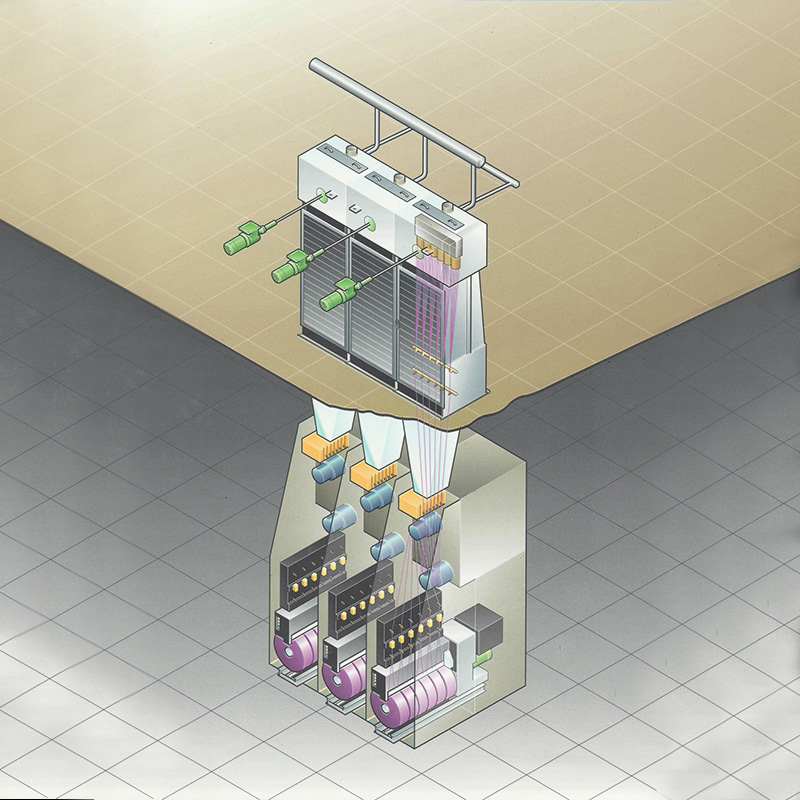
폴리에스터(PET), 나일론(PA), 폴리프로필렌(PP), 폴리락트산(PLA) 및 기타 제품을 위한 FDY, POY, HOY 및 산업용 원사 방적 기계의 연...
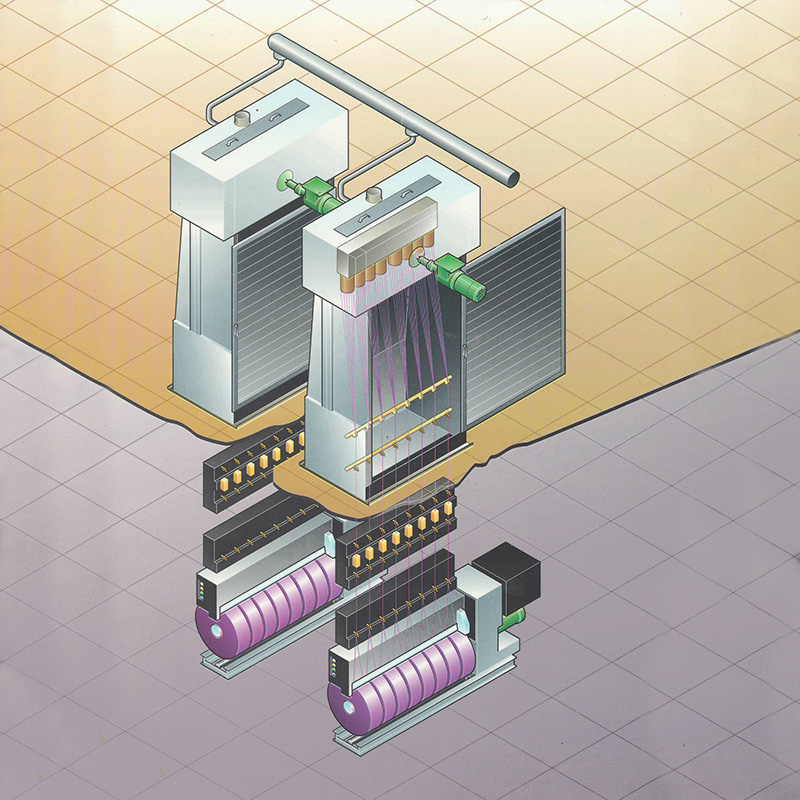
폴리에스터(PET), 나일론(PA), 폴리프로필렌(PP), 폴리락트산(PLA) 및 기타 제품을 위한 FDY, POY, HOY 및 산업용 원사 방적 기계의 연...

폴리에스테르(PET), 나일론(PA), 폴리프로필렌(PP), 폴리락트산(PLA) 및 기타 제품을 위한 FDY, POY, HOY 및 산업용 원사 방적 기계의 ...
필라멘트사의 모든 스풀은 회전하는 생산 라인에서 수명을 시작합니다. 화섬 산업에서 이 라인은 단일 기계가 아닌 고분자 원료인 PET, PA, PP를 제직, 편직, 산업용으로 사용되는 연속 필라멘트사로 변환하는 통합 시스템입니다. 공장 관리자, 프로세스 엔지니어 및 조달 팀의 경우 회전 라인 설계 방법, 약점 위치, 필요한 지원이 무엇인지 아는 것이 건전한 투자 결정을 내리는 데 필...
더 보기모든 화학 섬유 개발 프로젝트는 다음과 같은 질문에서 시작됩니다. 이 폴리머가 녹고, 압출되고, 실로 그려질 때 어떻게 반응할까요? 파일럿 방적기는 전체 생산 라인에 자본을 투자하기 전에 이 질문에 답합니다. 이곳은 고분자 화학과 공정 공학이 만나는 곳이며, 새로운 섬유 아이디어가 측정 가능하고 반복 가능하며 확장 가능한 곳입니다. 우리에게 이러한 기계를 만드는 것은 실...
더 보기Jiaxing Shengbang Mechanical Equipment에서는 Barmag 수리가 방적 공장에 실제로 어떤 의미인지 알고 있습니다. 주저하는 와인더, 온도가 불규칙한 뜨거운 고데, 더 이상 원활하게 이동하지 않는 변속 포크 등 모든 작은 결함이 가동 중지 시간과 생산 손실로 이어질 수 있습니다. 수년에 걸쳐 당사 수리점에서는 폴리에스테르, 나일론 및 폴리프로필렌 생산업...
더 보기1. The influence of spinning speed on unit energy consumption
Spinning speed is an important indicator to measure the efficiency of spinning production line, which is directly related to the production efficiency and capacity of fiber. However, changes in spinning speed will also bring about changes in energy consumption. Generally speaking, the faster the spinning speed, the more fiber is produced per unit time, but the corresponding energy consumption will also increase.
Under low-speed spinning conditions, the production line runs relatively smoothly and the equipment load is low. At this time, although the production efficiency is not high, the energy consumption is relatively low. Due to the slow spinning speed, the fiber has sufficient time to stretch and shape in the spinning process, so the product quality is often better. However, low-speed spinning is difficult to meet the needs of large-scale production, and the equipment utilization rate is low, resulting in an increase in overall production costs.
High-speed spinning is the mainstream choice of modern spinning production lines, which greatly improves production efficiency and meets the market's large demand for fibers. However, high-speed spinning also brings about an increase in energy consumption. Under high-speed operation, factors such as equipment friction and air resistance will lead to an increase in energy consumption. High-speed spinning requires higher precision and stability of the equipment, so the equipment investment and maintenance costs will also increase accordingly.
2. Energy waste when the equipment is idling or in standby mode
In addition to the spinning speed, the energy waste of industrial yarn spinning production line equipment when it is idling or in standby mode is also an important problem facing the textile industry. When the equipment is idling or in standby mode, although no actual production is carried out, a large amount of energy is still consumed. This waste not only increases production costs, but also burdens the environment.
Equipment idling usually occurs in the production preparation stage or production interval. During this period, although the equipment does not perform actual spinning operations, it still needs to continue to operate in order to keep the parameters such as temperature and pressure of the equipment stable. Although the energy consumption in this idling state is lower than that in normal production, it is also a considerable expense when accumulated over a long period of time.
Equipment standby usually occurs after the end of production or when the equipment fails. In standby mode, although the equipment stops its main working functions, it still maintains the operation of some systems, such as control systems and monitoring systems. The operation of these systems also consumes energy.
In order to reduce the energy waste of equipment standby, Jiaxing Shengbang Mechanical Equipment Co., Ltd. has adopted an intelligent control system to manage the standby state of the equipment. Through the intelligent control system, the company can monitor the operating status of the equipment in real time and automatically adjust its energy consumption when the equipment is in standby state. For example, when the equipment is in standby state for a long time, the intelligent control system will automatically shut down some unnecessary systems to reduce energy consumption. In addition, the company also regularly maintains and overhauls the equipment to ensure that the equipment is in good working condition and reduce the standby time caused by equipment failure.
3. Measures and suggestions for optimizing energy consumption
According to market demand and product characteristics, the spinning speed of the industrial yarn spinning production line should be reasonably adjusted to achieve the best balance between energy consumption and production efficiency. Under the premise of ensuring product quality, the spinning speed should be increased as much as possible to improve production efficiency. Pay attention to the energy consumption of the equipment under high-speed operation and take timely measures to reduce energy consumption.
Improve the degree of automation of the equipment through technical transformation, so that the equipment can automatically adjust the energy consumption when idling or in standby state. For example, an intelligent control system can be used to manage the operating status of the equipment to achieve real-time monitoring and adjustment of energy consumption.
Strengthen energy-saving training for employees and improve their energy-saving awareness. Let employees pay more attention to energy conservation and consumption reduction in daily operations, such as reasonably adjusting equipment parameters and shutting down unnecessary systems in time.
Regularly maintain and overhaul equipment to ensure that the equipment is in good working condition. Reduce standby time caused by equipment failure and reduce energy consumption. Clean and lubricate equipment regularly to reduce friction resistance during equipment operation and reduce energy consumption.
Actively adopt energy-saving equipment and technologies, such as high-efficiency energy-saving motors, variable frequency speed regulation technology, etc. These equipment and technologies can effectively reduce energy consumption and improve production efficiency. Pay attention to the development of new technologies, introduce and apply new technologies in a timely manner, and promote energy conservation and emission reduction in the textile industry.
주소: 절강성 가흥시 경제기술개발구 저우안로 1298호
핸드폰: +86 19057031687
전화: 86-0573-83777752
이메일: [email protected]
Jiaxing Shengbang Mechanical Equipment Co., Ltd. 모든 권리 보유. 모조리 산업용 원사 방적 생산 라인 공급업체
