
 简体中文
简体中文


보빈을 밀려면

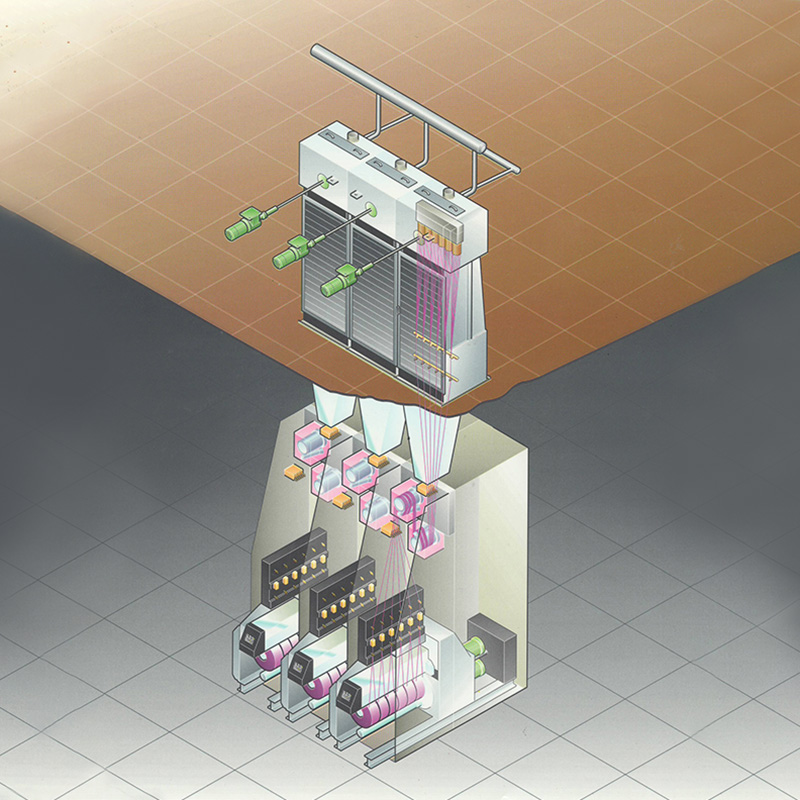
폴리에스터(PET), 나일론(PA), 폴리프로필렌(PP), 폴리락트산(PLA) 및 기타 제품을 위한 FDY, POY, HOY 및 산업용 원사 방적 기계의 연...
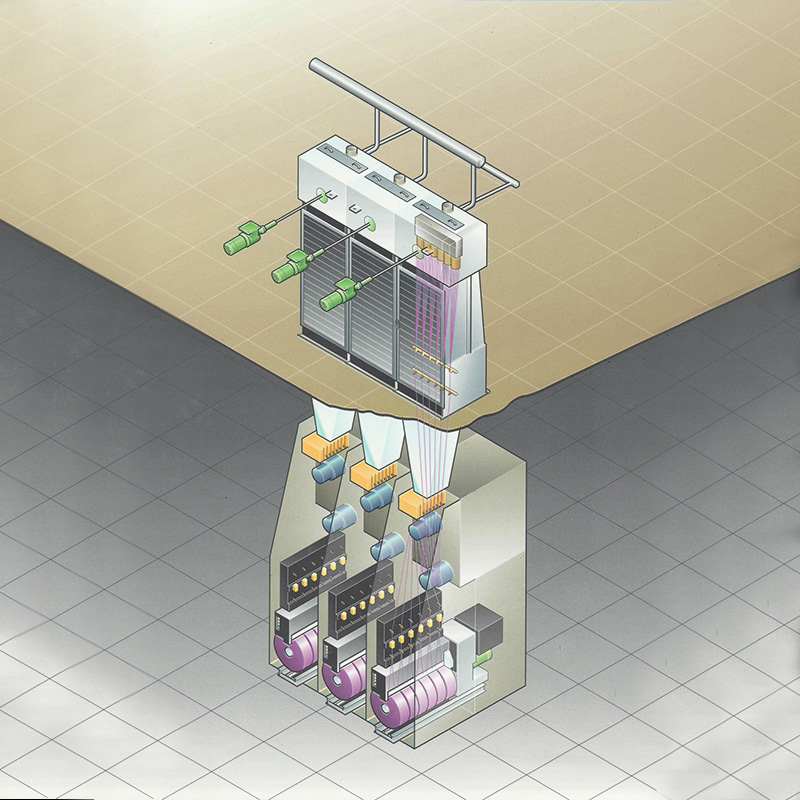
폴리에스터(PET), 나일론(PA), 폴리프로필렌(PP), 폴리락트산(PLA) 및 기타 제품을 위한 FDY, POY, HOY 및 산업용 원사 방적 기계의 연...
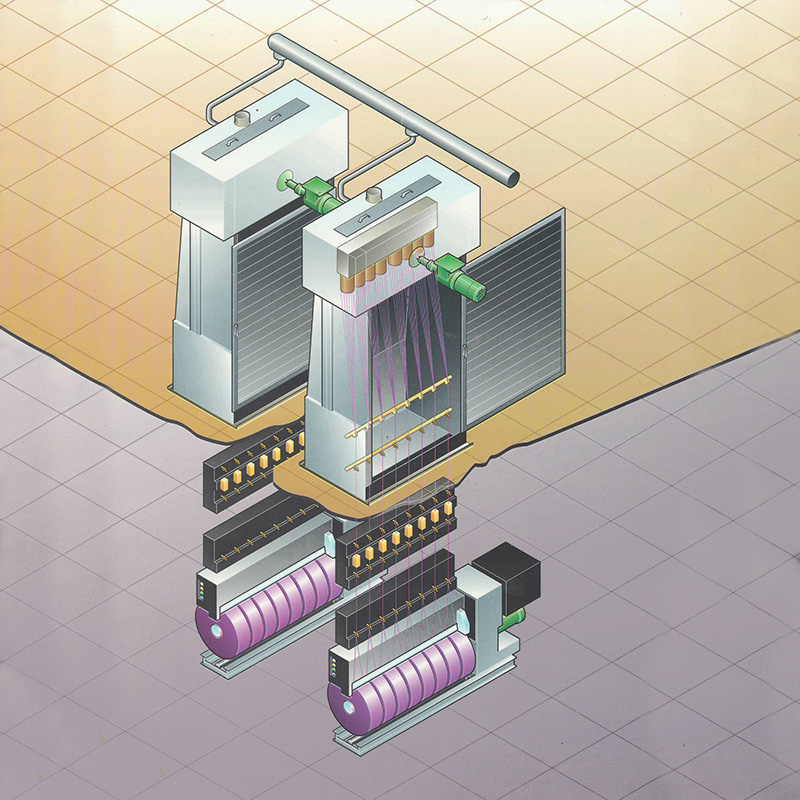
폴리에스터(PET), 나일론(PA), 폴리프로필렌(PP), 폴리락트산(PLA) 및 기타 제품을 위한 FDY, POY, HOY 및 산업용 원사 방적 기계의 연...
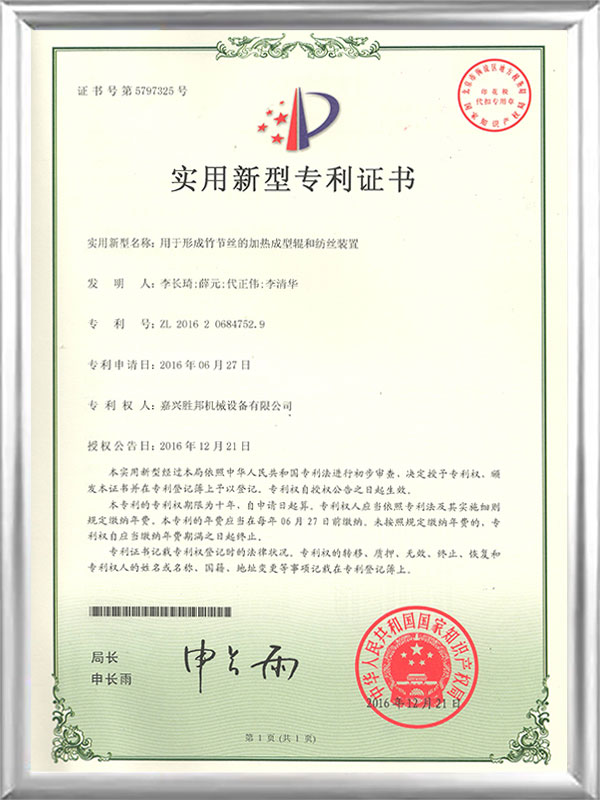
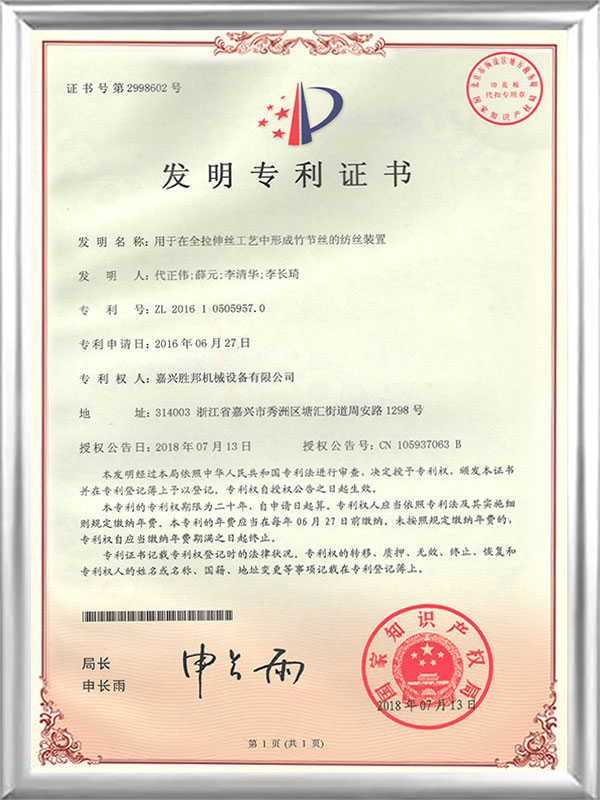
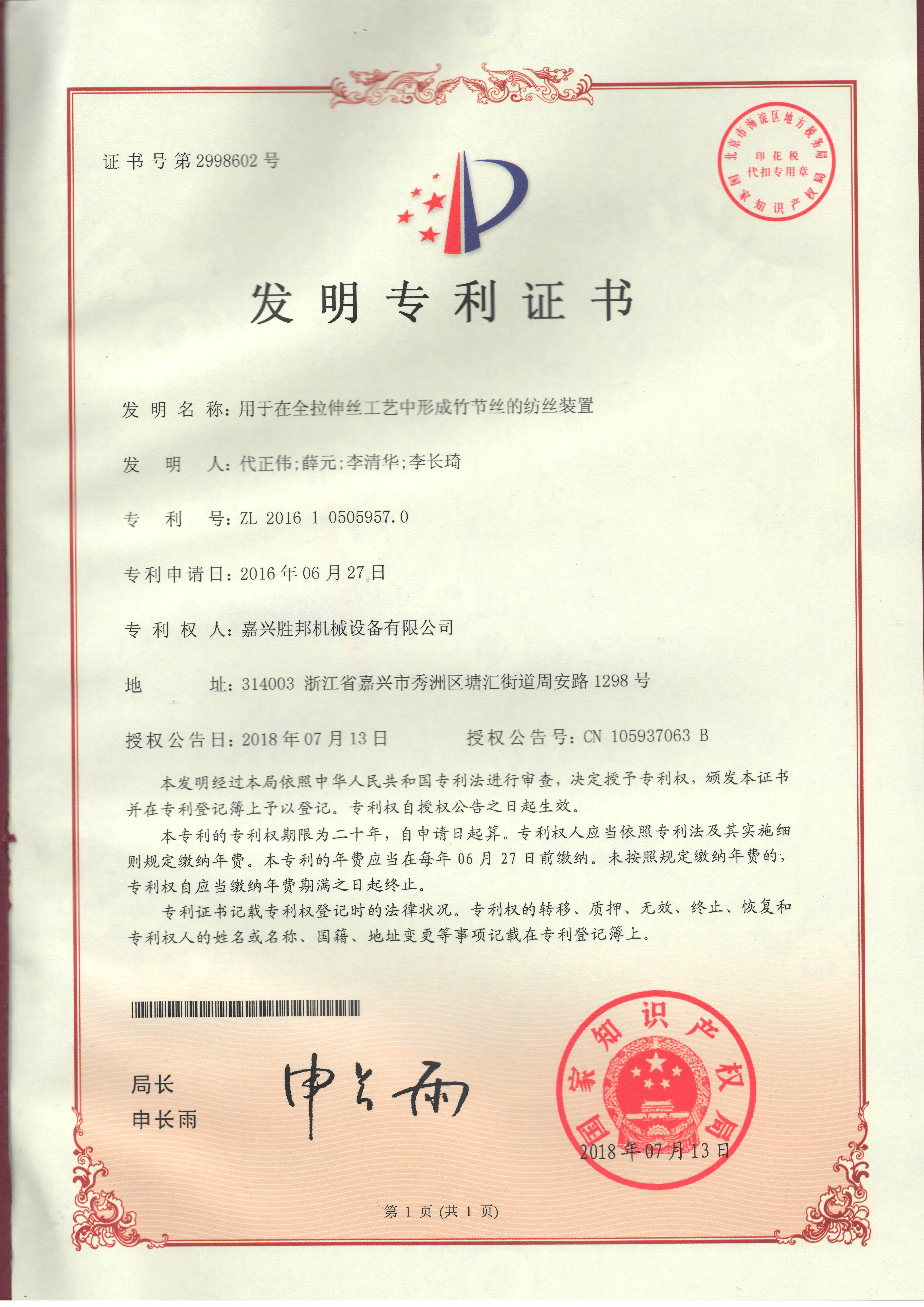
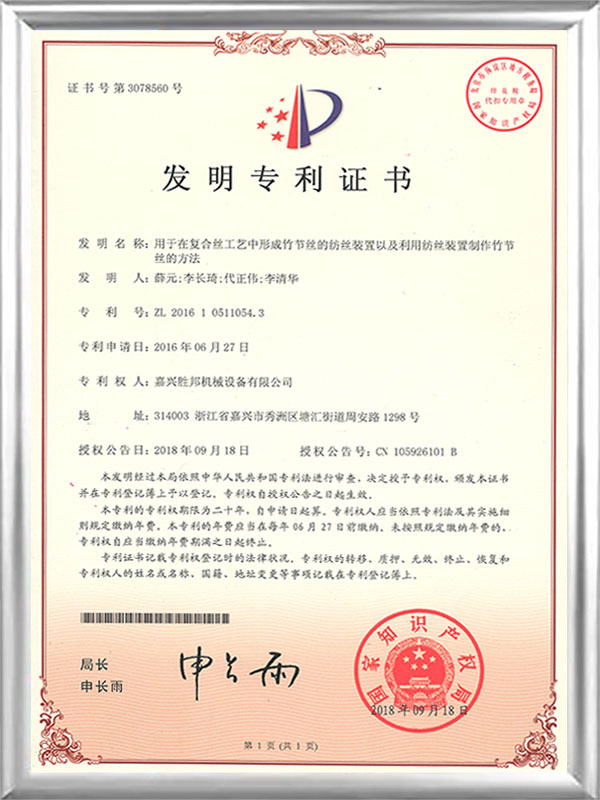
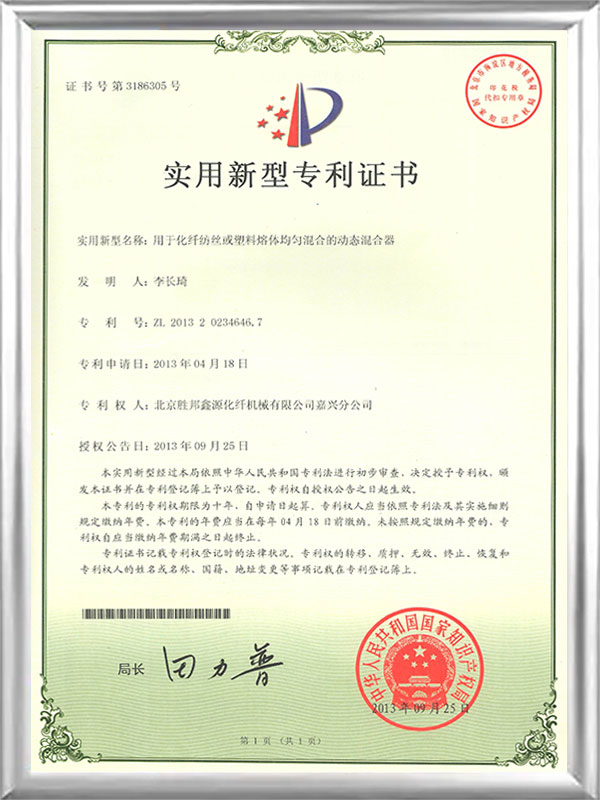
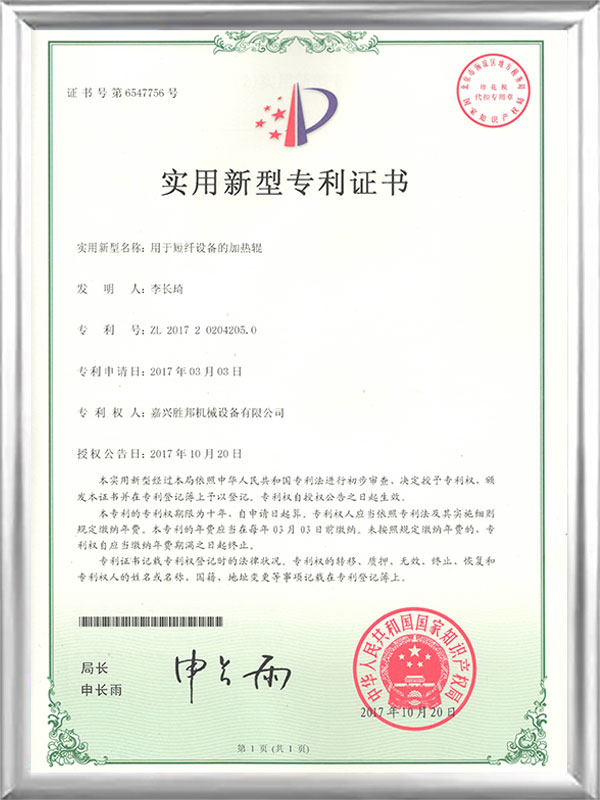
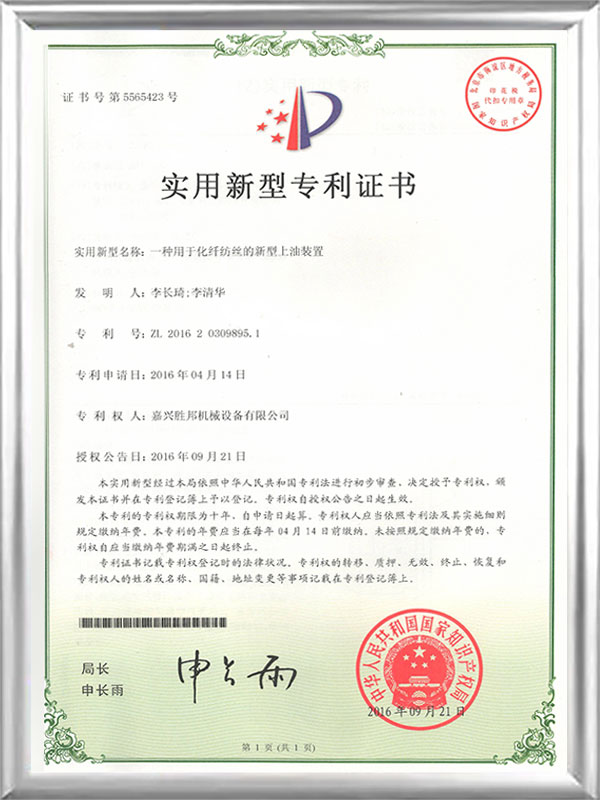
필라멘트사의 모든 스풀은 회전하는 생산 라인에서 수명을 시작합니다. 화섬 산업에서 이 라인은 단일 기계가 아닌 고분자 원료인 PET, PA, PP를 제직, 편직, 산업용...
더 보기모든 화학 섬유 개발 프로젝트는 다음과 같은 질문에서 시작됩니다. 이 폴리머가 녹고, 압출되고, 실로 그려질 때 어떻게 반응할까요? 파일럿 방적기는 전체 생산 라인에 자...
더 보기Jiaxing Shengbang Mechanical Equipment에서는 Barmag 수리가 방적 공장에 실제로 어떤 의미인지 알고 있습니다. 주저하는 와인더, 온도가...
더 보기반세기 이상 동안 Barmag 방적 및 와인딩 기술은 화학 섬유 생산의 표준을 설정해 왔습니다. 거의 모든 현대식 POY, FDY 또는 산업용 원사 공장에 들어가면 대부...
더 보기고분자 연구팀은 새로운 수정된 PET 제조법을 검증해야 하지만 사용 가능한 유일한 생산 라인은 향후 3개월 동안 예약이 꽉 차 있습니다. 단일 교대조로 12kg의...
더 보기1. Technical standards and process challenges for aluminum tube surface quality
In high-speed winding systems, aluminum tubes must withstand tens of meters of yarn friction per second, and their surface quality directly affects the uniformity of yarn unwinding. Shengbang Mechanical uses precision dynamic balancing equipment for processing to ensure that the cylindricality of the aluminum tube is controlled within a very small range, but even so, it is still difficult to avoid surface scratches in long-term use. If the depth of these scratches exceeds a certain threshold, it will destroy the contact continuity between the aluminum tube and the yarn at the microscopic level.
From the perspective of materials science, the surface oxide layer of aluminum material breaks at the scratch, and the exposed metal matrix is in direct contact with the yarn fiber, resulting in a sudden change in the friction coefficient. We simulated different working conditions through temperature calibration equipment and found that when the scratch depth reaches a significant proportion of the aluminum tube wall thickness, the yarn breakage rate will increase significantly. This data is particularly evident in the production of special yarns (such as two-component yarns).
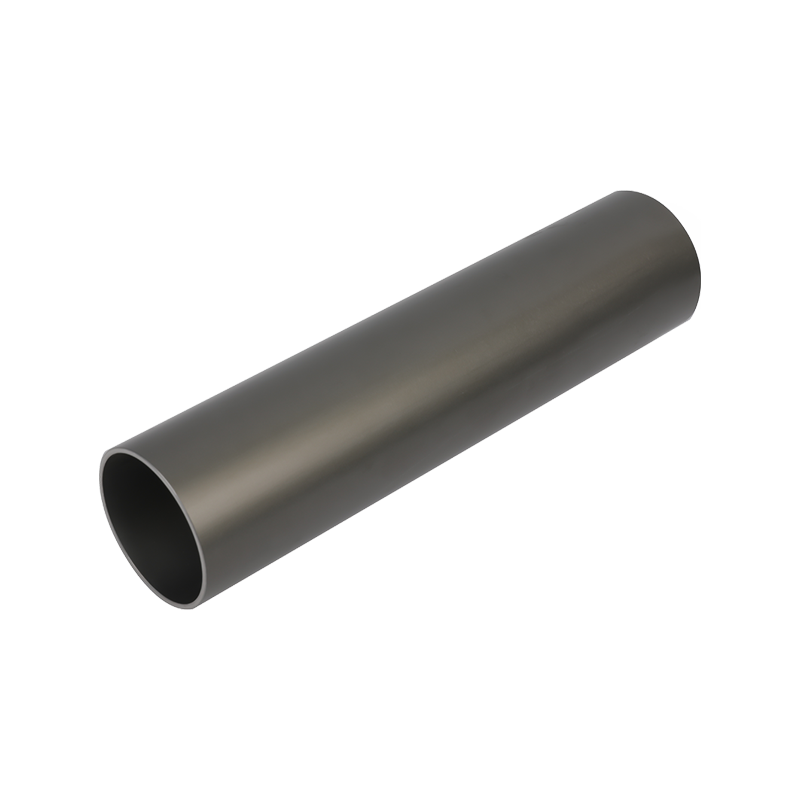
In terms of the surface treatment process of Barmag Spinning Machine Winder Parts Aluminum Tube, Shengbang Mechanical uses a variety of technologies such as anodizing, electroplating, and sandblasting. Anodizing, as an electrochemical treatment process, can form a dense aluminum oxide film on the surface of the aluminum tube, which not only increases the hardness and wear resistance, but also provides good corrosion resistance and decorativeness. Electroplating technology further improves the wear resistance and conductivity of the aluminum tube by plating the metal layer. Sandblasting improves the adhesion of the coating by increasing the surface roughness.
2. Mechanical mechanism of scratch-induced breakage rate
During the dynamic winding process, scratches form local stress concentration points and change the yarn tension distribution pattern. Through plasma coating equipment, a nano-scale composite layer is constructed on the surface of the aluminum tube, and it is found that the depth of the scratches on the treated surface can be reduced to a large extent. However, for the untreated original aluminum tube, under high-speed winding, tiny scratches can cause a significant increase in the fluctuation amplitude of the yarn tension.
This tension fluctuation is transmitted to the package forming area through the yarn, forming a periodic stress concentration on the end face. The monitoring data of the multifunctional spinning test machine shows that when the scratch spacing is less than a certain range, the yarn breakage shows obvious chain reaction characteristics - the initial breakage causes a sudden increase in the tension of adjacent yarns, resulting in continuous breakage.
3. Process improvement and quality control system
In response to the scratch problem, Shengbang Mechanical has developed a "three-step" surface quality control process: first, mirror processing is carried out in the machining workshop to make the surface roughness reach an extremely high standard; second, a protective film is deposited in the plasma coating workshop to increase the surface hardness to a higher level; finally, a long-term continuous friction test is carried out in the special yarn spinning workshop.
The original high-energy ion beam nozzle treatment technology provides a new path to resolve the scratch crisis. By changing the surface structure of the nozzle, the tow produces a microscopic buffering effect when passing through the scratch area. The application case of Nantong Branch shows that the winder treated with this technology has a significantly reduced breakage rate under the same scratch conditions.
주소: 절강성 가흥시 경제기술개발구 저우안로 1298호
핸드폰: +86 19057031687
전화: 86-0573-83777752
이메일: [email protected]
Jiaxing Shengbang Mechanical Equipment Co., Ltd. 모든 권리 보유. 관습 Barmag 회전 기계 와인더 부품 알루미늄 튜브 제조업체
