폴리에스터(PET), 나일론(PA), 폴리프로필렌(PP), 폴리락트산(PLA) 및 기타 제품을 위한 FDY, POY, HOY 및 산업용 원사 방적 기계의 연...
폴리에스터(PET), 나일론(PA), 폴리프로필렌(PP), 폴리락트산(PLA) 및 기타 제품을 위한 FDY, POY, HOY 및 산업용 원사 방적 기계의 연...
폴리에스터(PET), 나일론(PA), 폴리프로필렌(PP), 폴리락트산(PLA) 및 기타 제품을 위한 FDY, POY, HOY 및 산업용 원사 방적 기계의 연...

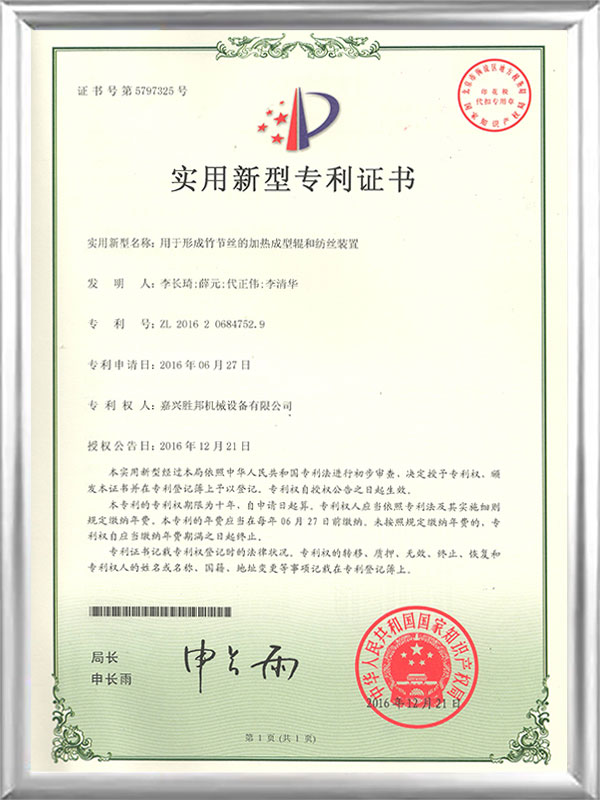
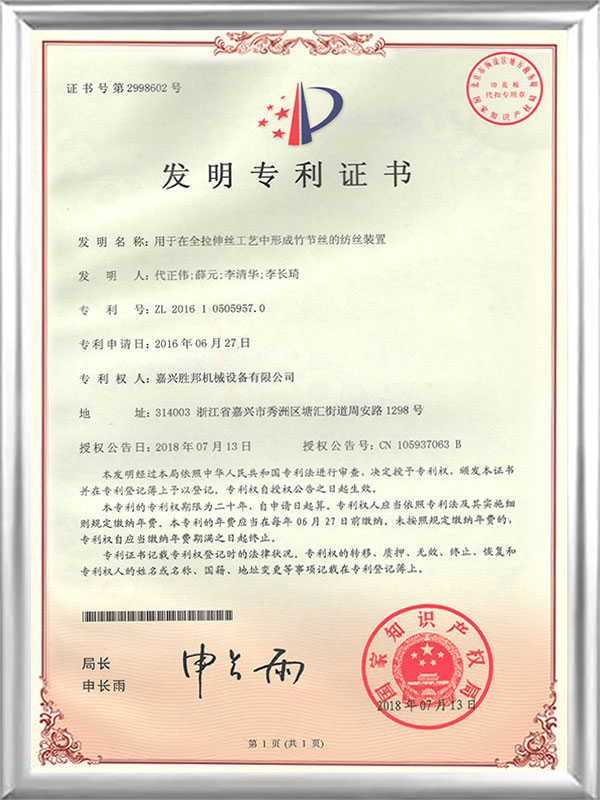
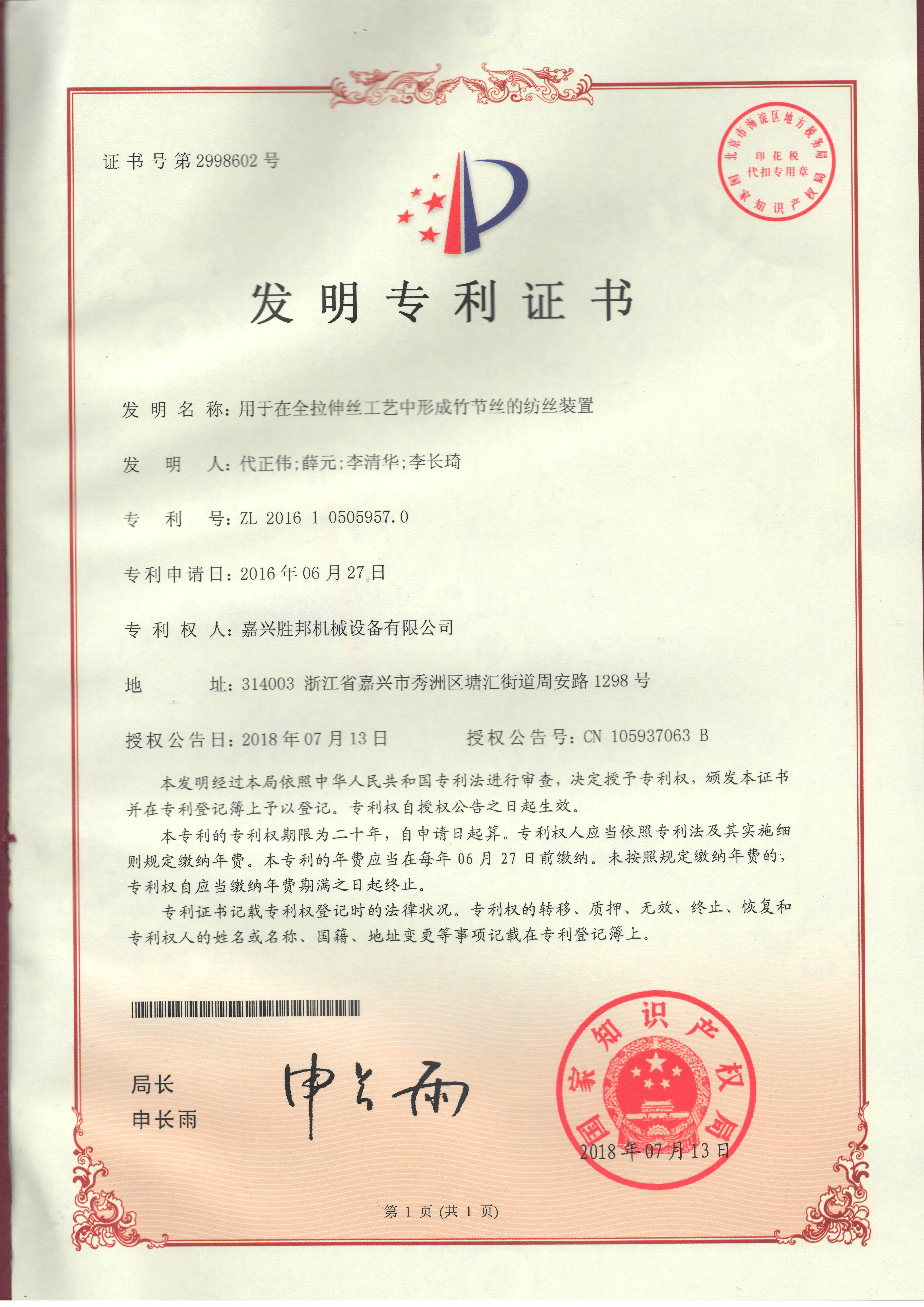
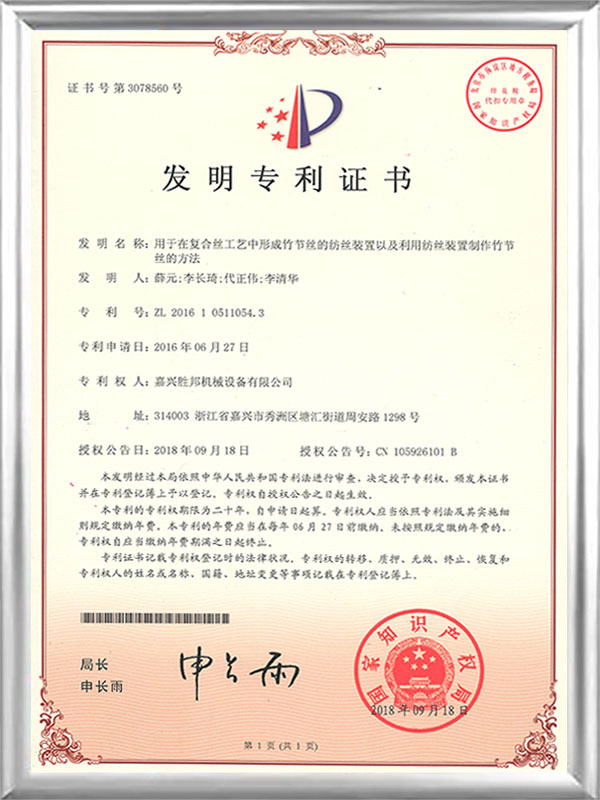
필라멘트사의 모든 스풀은 회전하는 생산 라인에서 수명을 시작합니다. 화섬 산업에서 이 라인은 단일 기계가 아닌 고분자 원료인 PET, PA, PP를 제직, 편직, 산업용...
더 보기모든 화학 섬유 개발 프로젝트는 다음과 같은 질문에서 시작됩니다. 이 폴리머가 녹고, 압출되고, 실로 그려질 때 어떻게 반응할까요? 파일럿 방적기는 전체 생산 라인에 자...
더 보기Jiaxing Shengbang Mechanical Equipment에서는 Barmag 수리가 방적 공장에 실제로 어떤 의미인지 알고 있습니다. 주저하는 와인더, 온도가...
더 보기반세기 이상 동안 Barmag 방적 및 와인딩 기술은 화학 섬유 생산의 표준을 설정해 왔습니다. 거의 모든 현대식 POY, FDY 또는 산업용 원사 공장에 들어가면 대부...
더 보기고분자 연구팀은 새로운 수정된 PET 제조법을 검증해야 하지만 사용 가능한 유일한 생산 라인은 향후 3개월 동안 예약이 꽉 차 있습니다. 단일 교대조로 12kg의...
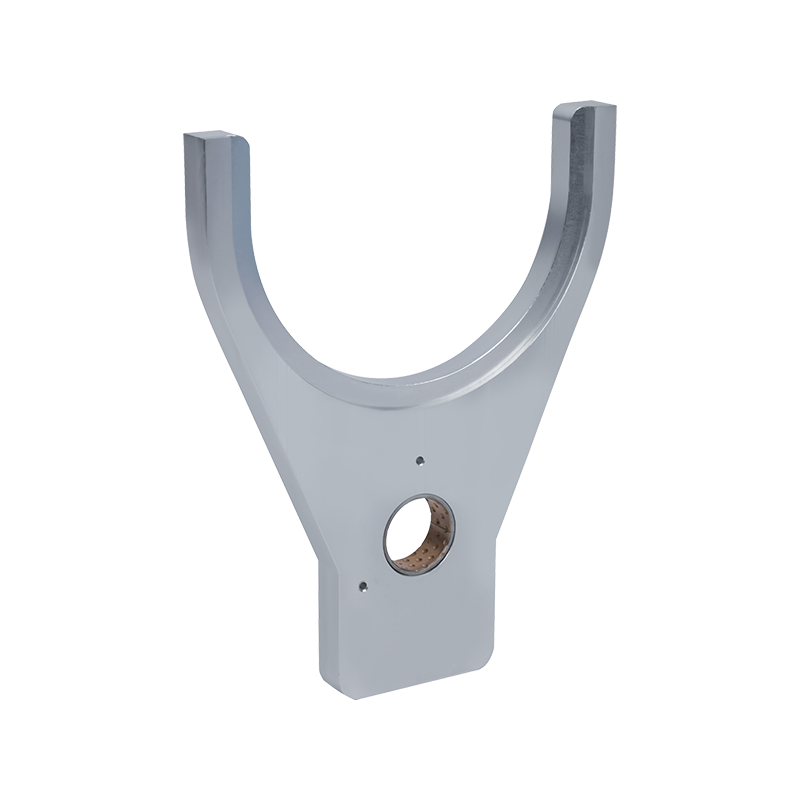
더 보기Structure and function of the Y-shaped fork
Barmag Spinning Machine Winder Parts Y-Shaped Fork, also known as push rod fork or yarn guide fork, is usually made of high-strength alloy or special composite material to ensure its wear resistance and deformation resistance under high-speed operation. Jiaxing Shengbang Mechanical Equipment Co., Ltd., as a professional supplier of spinning machinery parts, uses advanced CNC machine tools and plasma coating technology to produce Y-shaped forks, which give it a longer service life and more stable performance.
The main function of the Y-shaped fork is to guide the yarn into the winding position accurately, and cooperate with the traverse device (such as a grooved drum or cam) during the reciprocating motion to control the distribution of the yarn, so that the yarn is evenly wound on the bobbin to form a compact and non-overlapping package.
The collaborative working mechanism of the Y-shaped fork and other components
1. Cooperation with the traverse device The traverse device (such as a grooved drum or cam) of the winding machine is responsible for driving the Y-shaped fork to reciprocate so that the yarn is evenly distributed on the surface of the bobbin. The opening angle and motion trajectory of the Y-shaped fork need to be precisely matched with the traverse device to avoid "yarn overlap" or "yarn slippage" during high-speed winding. We use precision testing equipment such as the Schenck dynamic balancing machine to ensure the dynamic balance of the Y-shaped fork, reduce vibration during high-speed operation, and thus improve the uniformity of winding.
2. Linkage with the tension control system
The yarn needs to maintain a constant tension during the winding process, otherwise it may cause the package to loosen or break. The Barmag Spinning Machine Winder Parts Y-Shaped Fork adjusts the yarn path in real time to ensure stable tension by cooperating with the tension sensor and yarn guide. When the yarn tension is abnormal, the Y-shaped fork can compensate by fine-tuning the yarn guide angle and cooperating with the electronic tension control system to avoid winding defects caused by tension fluctuations.
3. Optimized matching with the winding head
The design of the winding head directly affects the quality of yarn forming. In long-term practice, we have found that by optimizing the groove shape and push rod mechanism of the Y-shaped fork, the diversity of yarn packages can be significantly improved without changing the overall structure of the winding head. When modifying the double barrel machine, the company successfully solved the long-standing "yarn breakage" problem by adjusting the geometry of the Y-shaped fork, and improved the output and the quality of the lower yarn when spinning fine denier porous filaments.
4. Coordination with the bobbin clamping system
The movement of the Y-shaped fork must be precisely synchronized with the rotation speed of the bobbin, otherwise it may cause uneven yarn distribution. Modern Barmag winding machines are driven by servo motors, combined with high-precision encoders to ensure that the reciprocating frequency of the Y-shaped fork matches the bobbin speed. Shengbang Mechanical's hot drafting device temperature calibration technology further optimizes this process, allowing the yarn to maintain stable physical properties during winding.
Technical Optimization and Innovation of Y-Shaped Fork
In order to adapt to the winding needs of different yarns, the design of the Barmag Spinning Machine Winder Parts Y-Shaped Fork has been continuously improved. Shengbang Mechanical uses its special yarn spinning workshop and spinning laboratory to test the performance of Y-shaped forks of different materials under different working conditions, and develops special yarn guide mechanisms for a variety of yarns such as POY, FDY, and composite yarns. For example:
Application of wear-resistant coating: Plasma spraying technology is used to form a high-hardness coating on the surface of the Y-shaped fork to reduce wear caused by yarn friction.
Lightweight design: High-strength composite materials are used to reduce the mass of the Y-shaped fork, making it more stable at high speeds and reducing energy consumption.
Intelligent monitoring system: Combined with sensor technology, the working status of the Y-shaped fork is monitored in real time, and wear or offset is warned in advance to reduce the failure rate.
주소: 절강성 가흥시 경제기술개발구 저우안로 1298호
핸드폰: +86 19057031687
전화: 86-0573-83777752
이메일: [email protected]
Jiaxing Shengbang Mechanical Equipment Co., Ltd. 모든 권리 보유. 관습 Barmag 회전 기계 와인더 부품 Y자형 포크 제조업체


 简体中文
简体中文